





Why is My Dog Licking His Paws: Causes and Natural Remedies
Paw licking is a natural grooming behaviour in dogs; however, excessive licking can indicate an underlying issue that requires attention. In this blog, we explore some of the common reasons why dogs lick their paws and the natural remedies that can help treat and prevent the issue.
Contents:
Normal paw licking behaviour in dogs
Reasons why dogs lick their paws
How to treat paw licking in dogs
Introduction
Paw licking is a common issue among dogs, and it can be caused by various factors. As a dog owner, it's important to understand the reasons behind this behaviour and how to address it. In this article, we will discuss the common causes of paw licking in dogs and the natural remedies that can help alleviate the issue.
Normal paw licking behaviour in dogs
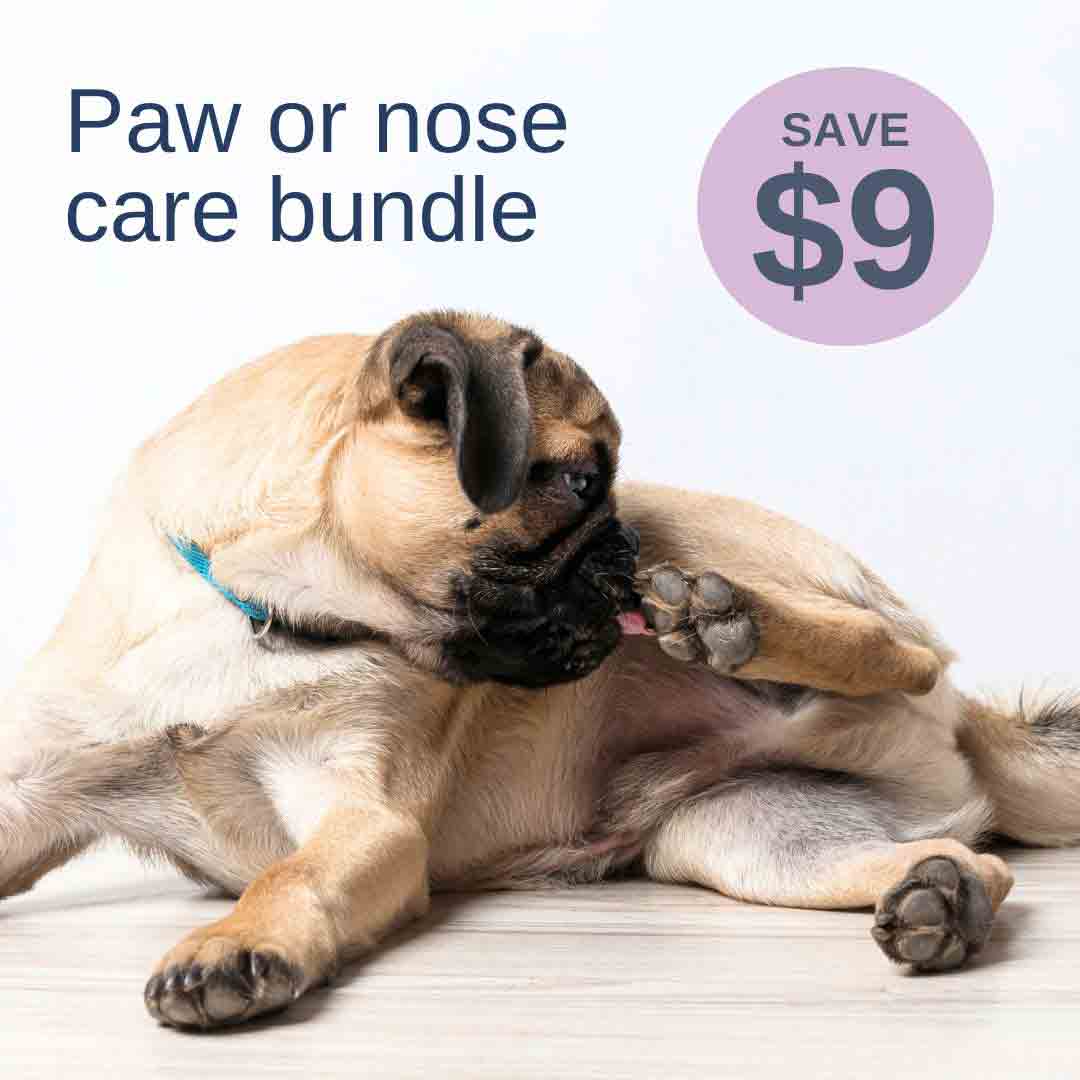
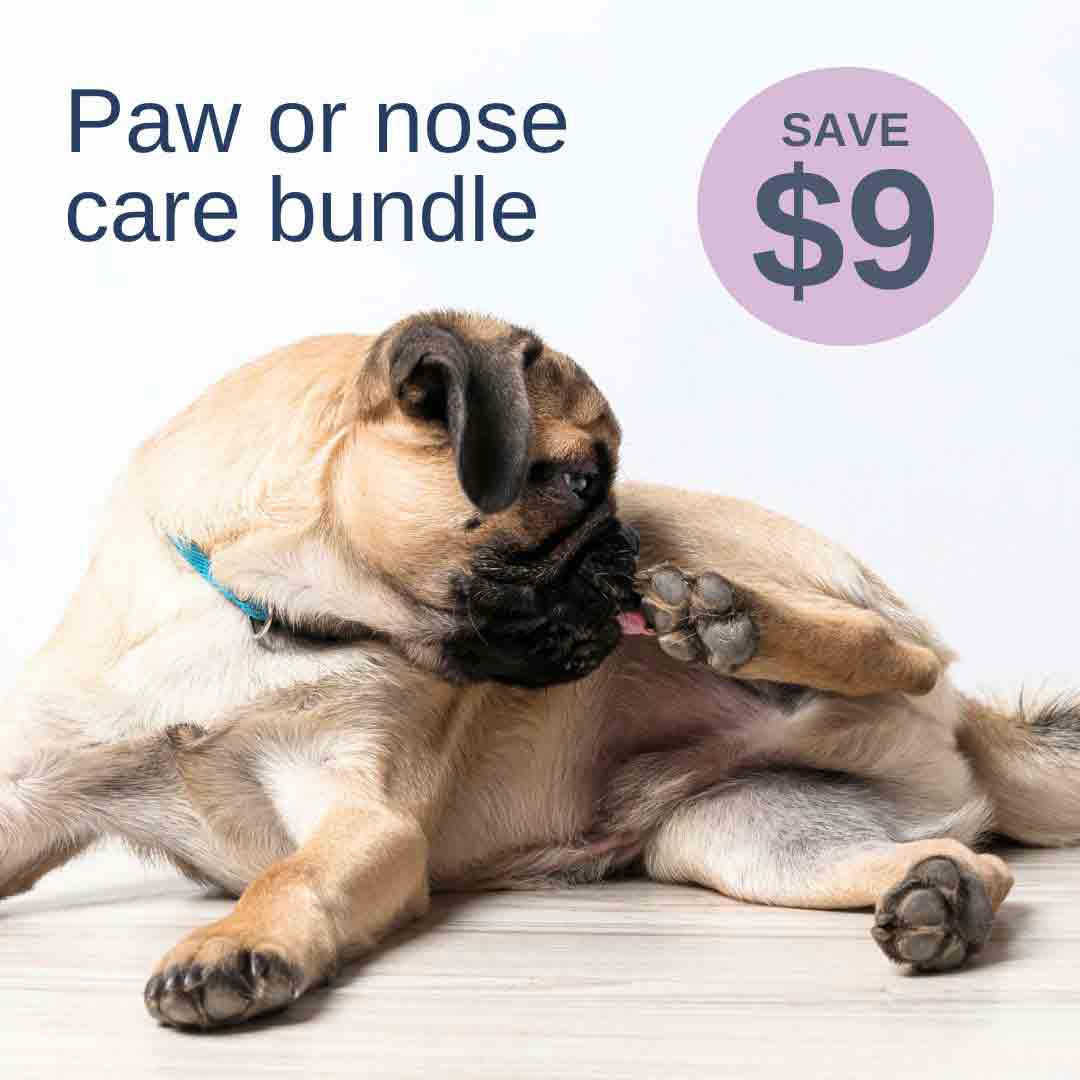
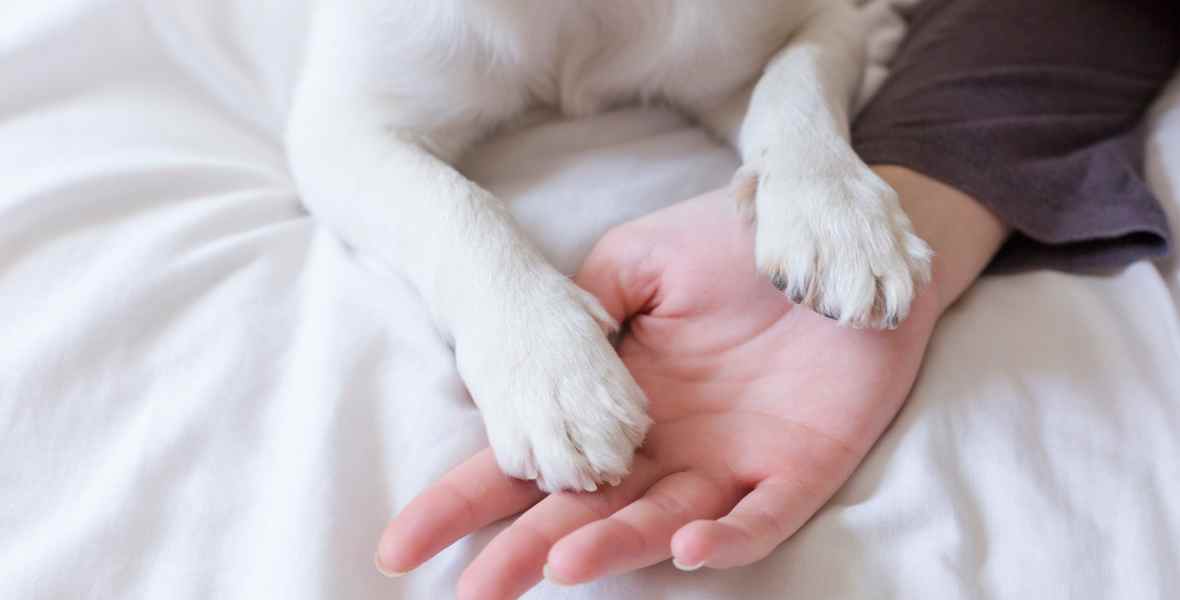
Before we delve into the reasons behind excessive paw licking, it's important to note that occasional paw licking is normal behavior for dogs. Dogs use their tongues to groom themselves, and licking their paws is a part of this grooming process. However, if you notice your dog excessively licking, biting, or chewing his paws, it may indicate an underlying issue that requires attention.
Reasons why dogs lick their paws
There are various reasons why dogs lick their paws excessively, and it's important to identify the underlying cause in order to address the issue effectively. Here are some common reasons why dogs lick their paws:
Pain and discomfort
If your dog is experiencing pain or discomfort in his paws, he may lick them to alleviate the discomfort. Common causes of paw pain include injuries, infections, and arthritis.
Allergies
Dogs can develop allergies to various substances, including food, pollen, and dust. If your dog is allergic to something in his environment, he may lick his paws excessively as a way of relieving the itchiness and discomfort.

Excessive licking can lead to fur loss and skin inflammation.
Yeast infections
Yeast infections can develop in a dog's paws if they are constantly moist, which can be caused by excessive licking. Symptoms of a yeast infection in a dog's paws include redness, swelling, and a foul smell.
Dry skin
Dry skin can also cause a dog to excessively lick his paws. Dry skin can be caused by various factors, including allergies, environmental factors, and nutrition.

Early signs of hyperkeratosis in dog's paw.
Hyperkeratosis
Hyperkeratosis is a condition in which the skin on a dog's paws thickens, causing discomfort and a rough texture. This condition can cause a dog to excessively lick his paws.
Stress & anxiety
Excessive paw licking can be a sign of an underlying emotional issue, such as stress, anxiety, or boredom. It's important to identify the cause of your dog's anxiety or stress to address the behaviour effectively.
How to treat paw licking in dogs
Once you have identified the underlying cause of your dog's paw licking, you can take steps to address the issue.

Stages of paw balm healing an interdigital cyst.
Natural paw balm
Using a natural paw balm is a great option for treating paw licking in dogs because it can help soothe and moisturise their paws without causing any harm.
It’s a given that your dog will lick after a paw balm is applied so it’s best to avoid commercial or human products that contain synthetic ingredients and chemicals that can be harmful to dogs if ingested. Instead, choose a natural balm that is made with safe and non-toxic ingredients.
Our Tips & Toes nose and paw balm contains shea butter, hemp seed oil, coconut oil and beeswax, which are all known for their moisturising and healing properties. Shea butter is rich in vitamins A and E, which can help soothe dry and cracked skin, hemp seed oil is high in omega-3 and omega-6 fatty acids that moisturise and reduce inflammation, while coconut oil is a natural anti-fungal and antibacterial agent that can help prevent infections. Beeswax is also a natural emollient that can help soften and protect the skin. Along with these ingredients we add powerful essential oils that help to soothe inflammation and have anti-bacterial and anti-fungal properties.
Dry and cracked paws can be a result of exposure to harsh weather conditions, such as extreme cold or hot temperatures. By using a natural paw balm, you can help protect your dog's paws from these environmental factors and prevent them from becoming dry and irritated.
In conclusion, excessive paw licking is a common issue among dogs, and it can be caused by various factors. By understanding the reasons behind your dog's paw licking and using natural remedies like paw balm, you can help prevent and alleviate the issue whilst improving your dog's overall health and well-being. Healthy paws, happy dogs.
FAQs
1. Is paw licking in dogs normal behaviour?
Yes, occasional paw licking is completely normal and is part of your dog’s regular grooming routine. However, if your dog is licking their paws constantly, chewing at them, or you’re noticing redness, swelling, or hair loss, it may signal an underlying issue. Persistent paw licking is your dog’s way of telling you something isn’t quite right, so it’s worth taking a closer look.
2. What are the common causes of paw licking in dogs?
The common causes of paw licking in dogs include pain or injury, allergies, yeast infections, dry skin, hyperkeratosis and mental health issues such as stress, boredom or anxiety.
3. Can I use regular lotion on my dog's paws?
No, human lotions aren’t designed for dogs and often contain fragrances, preservatives, or chemicals that can be harmful if licked off. Use a natural product like our paw balm instead. The Happy Jack Co paw balm helps moisturise dry pads, protect against environmental damage (hot pavements, cold weather, rough ground), and soothe irritated skin, all without ingredients you need to worry about your dog ingesting.
4. Can stress and anxiety cause paw licking in dogs?
Yes, stress and anxiety can absolutely lead to paw licking. Some dogs lick as a self-soothing behaviour when they’re feeling overwhelmed, bored, or unsettled. Changes in routine, lack of stimulation, or separation anxiety can all contribute.
If you suspect emotional causes, try increasing enrichment (walks, playtime, sniffing activities), maintaining a consistent routine, and creating calm spaces at home. If the behaviour continues, a vet or qualified trainer can help guide you further.